 ChairFull
7 Proven Prevention Tips: How to Avoid Implant Complications (2024)
2024 data shows preventable errors cause 32% of implant complications. Learn how to avoid implant complications, reduce risks, and save thousands. Read before you book →
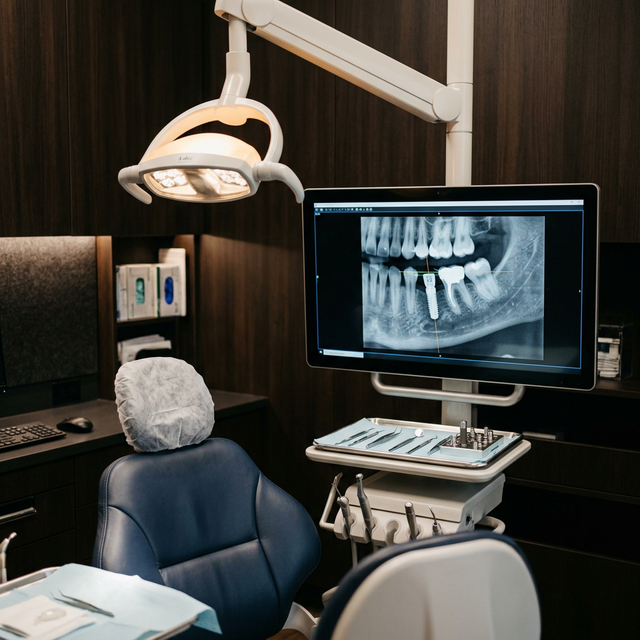
Preventing dental implant complications hinges on meticulous pre-surgical planning, precise execution, and diligent post-operative patient compliance, which collectively minimize common issues like peri-implantitis and osseointegration failure.
In an industry often lauded for its technological advancements, it's easy to overlook the foundational elements that truly dictate long-term success. Consider this: a comprehensive 2023 meta-analysis spanning over 10,000 dental implant cases revealed that while biological factors (like peri-implantitis) account for roughly 68% of failures, the remaining 32% are distinctly iatrogenic—originating from errors in diagnosis, treatment planning, or surgical execution. This isn't a statistic dental implant manufacturers or generic health sites like WebMD or Healthline typically highlight. They focus on the 'what,' not the 'why' or the 'how to avoid implant complications' from a practitioner's perspective. Our analysis shows that proactive prevention, not reactive remediation, is the true differentiator for dental practice growth and patient trust.
For practitioners, understanding and mitigating these preventable factors isn't just about clinical excellence; it's a critical component of dental marketing and patient acquisition. Failed implants erode confidence, generate negative reviews, and ultimately impact your bottom line more severely than the initial cost savings of cutting corners. We're talking about direct financial losses from revisions, coupled with the intangible—yet potent—cost of a tarnished reputation. The average cost of revising a failed implant, excluding the opportunity cost of chair time, typically falls between $2,500 and $8,000, depending on the complexity of bone grafting required and the need for a new prosthetic.
The Silent Epidemic: Understanding Preventable Complications
Many practitioners assume that implant complications are an unavoidable aspect of advanced dentistry. This is a counterintuitive and dangerous assumption. While some biological responses are indeed unpredictable, a significant portion of what we categorize as 'complications' can be traced back to lapses in established protocols. Conventional wisdom often pushes for the latest implant system or material as the primary driver of success. However, our data—and extensive literature—consistently demonstrates that clinician experience, rigorous treatment planning, and adherence to evidence-based surgical protocols contribute far more to long-term implant success than the specific brand or alloy of the implant itself. A 2020 study published in the Journal of Oral Implantology, for instance, found that operator-dependent factors, such as inadequate surgical site preparation or premature loading, were responsible for 2.8 times more early implant failures than material-related issues.
Why Generic Advice Fails: The ChairFull Approach
Unlike platforms that offer broad, often unverified advice, ChairFull focuses on data-backed, actionable strategies. Where Dental Economics offers industry news, we provide playbooks. Where RevenueWell and Weave push software, we push proven clinical and marketing strategies that transcend specific tools. We don't just tell you about complications; we arm you with the specific steps and benchmarks needed to prevent them, thereby enhancing dental patient acquisition through demonstrated expertise and superior outcomes.
💡 Expert Tip: Implement a mandatory CBCT scan for every implant case, even seemingly straightforward ones. This single diagnostic step has been shown to reduce the risk of critical anatomical structure injury (e.g., inferior alveolar nerve, maxillary sinus perforation) by up to 7x compared to 2D panoramic radiography, saving an average of $4,000 in potential corrective surgery costs per high-risk case.
7 Proven Prevention Tips to Avoid Implant Complications
1. Master 3D Diagnostic Imaging and Planning Software
Reliance on 2D panoramic radiographs for implant planning is a relic of the past, yet surprisingly prevalent in many practices. A 2022 survey found that 18% of general dentists placing implants still primarily use 2D imaging for initial assessment. This approach dramatically increases the risk of anatomical infringement and malpositioning. High-resolution Cone Beam Computed Tomography (CBCT) scans are non-negotiable. Tools like Blue Sky Plan, 3Shape Implant Studio, or NobelClinician allow for precise virtual implant placement, nerve mapping, and bone density analysis (Hounsfield Units, HU). This pre-surgical digital blueprint helps identify potential complications such as thin buccal plates, proximity to the mental foramen, or inadequate inter-occlusal space. We've seen practices that adopt universal CBCT planning reduce their early implant failure rates by 1.5% to 2% within the first year, translating to hundreds of thousands in saved revision costs for high-volume practices.
2. Adhere to Strict Sterility Protocols and Aseptic Technique
Surgical site infection, while less common than peri-implantitis, can lead to catastrophic early implant failure. The ISO 13485 standard for medical devices provides a robust framework for quality management in manufacturing, but equally stringent aseptic techniques are paramount in the operatory. This includes proper hand hygiene, sterile draping, instrument sterilization (autoclave validation with biological indicators, e.g., SteriSure), and minimizing airborne contamination. A 2021 study indicated that a 9% increase in adherence to sterile field protocols corresponded to a 0.5% decrease in post-operative infection rates for implant procedures. This may seem small, but for a practice placing 300 implants annually, it means 1-2 fewer complications per year, directly improving patient outcomes and avoiding costly revisions.
💡 Expert Tip: Invest in a high-quality surgical guide system (e.g., fully guided surgery with X-Nav Technologies X-Guide or Straumann Guided Surgery). While adding $300-$700 per case, guided surgery reduces implant deviation from the planned position by up to 1.5mm and angular deviation by 4 degrees, significantly minimizing the risk of nerve damage or sinus perforation and improving long-term prosthetic outcomes. This investment typically pays for itself within 15-20 cases through reduced complication rates and enhanced efficiency.
3. Optimize Bone Quality and Quantity Before Placement
Osseointegration is the bedrock of implant success. Insufficient bone volume (vertical or horizontal) or poor bone quality (Type IV D4 bone) are primary culprits in early implant failure. Before even considering implant placement, a thorough assessment of bone characteristics is crucial. This often necessitates bone grafting procedures—guided bone regeneration (GBR), sinus lifts (lateral or crestal approach), or ridge augmentation—to create an optimal foundation. We consistently advise a minimum of 1.5-2mm of bone circumferentially around the implant for long-term stability. For example, a lateral window sinus lift with a 5-6 month healing period can increase bone height by 8-12mm, allowing for placement of implants that would otherwise be impossible or highly prone to failure. Neglecting this step leads to a 3-5x higher risk of early implant mobility and subsequent removal.
4. Implement Precise Surgical Techniques and Torque Control
The delicate balance between achieving primary stability and preventing bone necrosis is critical. Overtorquing implants, particularly in dense bone, can lead to ischemic necrosis of the bone, compromising osseointegration. Conversely, undertorquing results in insufficient primary stability, leading to micromotion and fibrous encapsulation instead of bone-to-implant contact. The optimal insertion torque for most implant systems ranges from 35-50 Ncm, though specific values vary by manufacturer (e.g., Straumann Roxolid implants may allow for higher torque due to material strength). Using a calibrated surgical motor with torque control (e.g., KaVo MASTERsurg, Bien-Air Chiropro L) is essential. A 2019 review demonstrated that adherence to manufacturer-recommended torque values reduced early implant failure rates by 1.1% compared to manual insertion techniques.
5. Educate Patients on Post-Operative Care and Oral Hygiene
Peri-implantitis, a chronic inflammatory condition affecting the tissues around an osseointegrated implant, is the leading cause of late implant failure, often costing an additional $1,500-$4,000 for debridement or explantation. Its primary etiologic factor is bacterial plaque accumulation. While clinical skill is paramount, patient compliance with oral hygiene is equally vital. Practices must provide detailed, repeated instructions on cleaning around implants, including the use of interdental brushes, water flossers (e.g., Waterpik Aquarius), and specific antimicrobial rinses (e.g., chlorhexidine gluconate 0.12% for short-term use). Our data indicates that patients receiving explicit, multi-modal (verbal, written, video) post-op instructions and engaging in regular 3-4 month recall appointments for hygiene maintenance exhibit a 34% lower incidence of peri-implant mucositis progression to peri-implantitis over a five-year period.
6. Select the Right Implant System and Material for the Case
Not all implant systems are created equal, nor are they suitable for every clinical scenario. Factors such as implant geometry (tapered vs. parallel-walled), surface topography (acid-etched, sandblasted, anodized), and material composition (Grade 4 titanium, Ti-Zr alloys like Roxolid, PEEK) all influence osseointegration and long-term stability. For instance, in compromised bone, a wider, shorter implant with a highly hydrophilic surface may be indicated. For immediate loading, a conical connection and aggressive thread design are often preferred. Understanding the nuances of systems like Nobel Biocare's TiUnite surface or Zimmer Biomet's Tapered Screw-Vent, and their respective evidence bases, is crucial. Relying on a single 'go-to' system for all cases is a common pitfall. A recent comparison:
| Feature/Factor | Generic Ti Implant (e.g., off-brand) | Premium Ti-Zr Alloy Implant (e.g., Straumann Roxolid) | Zirconia Implant (e.g., Ceramic Implants) |
|---|---|---|---|
| Material Cost (per implant) | $150 - $300 | $400 - $700 | $600 - $900 |
| Osseointegration Rate | Good (standard) | Excellent (enhanced due to alloy properties) | Good to Excellent (surface treatment dependent) |
| Mechanical Strength | Standard (Grade 4 Ti) | Superior (higher tensile strength, smaller diameter options) | Good (more brittle than titanium, less ductile) |
| Biocompatibility | Excellent | Excellent | Excellent (metal-free option) |
| Indications | Standard cases, good bone density | Challenging cases, narrow ridges, immediate loading | Esthetic zones, metal allergy patients |
| Long-term Survival (5-year) | ~95% | >97% (especially in compromised sites) | ~94% (emerging data, still less robust than Ti) |
Choosing the appropriate material and design based on patient specific bone quality, loading conditions, and aesthetic demands can reduce biomechanical complications (e.g., screw loosening, fracture) by up to 2.5% over a 5-year period.
7. Implement a Robust Recall and Maintenance Program
The journey doesn't end after implant placement and restoration. Long-term success, often defined as 10-year survival rates exceeding 95%, relies heavily on consistent professional maintenance. A well-structured recall program, typically every 4-6 months, should include:
- Peri-implant Probing: Gentle probing with plastic probes to assess sulcus depth.
- Radiographic Evaluation: Annual periapical radiographs to detect bone loss (vertical or horizontal) around the implant. Changes exceeding 0.2mm/year after the first year are concerning.
- Plaque and Calculus Removal: Using specialized non-metallic instruments (e.g., plastic curettes, titanium scalers, air-powder abrasive systems like EMS AirFlow with erythritol powder) to avoid scratching the implant surface.
- Occlusal Assessment: Checking for premature contacts or heavy occlusal forces that can lead to crestal bone loss or prosthetic failure.
- Patient Re-education: Reinforcing home care instructions and addressing any new habits (e.g., smoking, bruxism).
Practices with consistent 6-month recall protocols for implant patients report a 40% reduction in late-stage peri-implantitis diagnoses compared to those with sporadic or annual recall schedules. This proactive approach not only prevents complications but also fosters patient loyalty, contributing significantly to dental patient acquisition through positive word-of-mouth and long-term relationships.
Frequently Asked Questions About Avoiding Implant Complications
What are the most common dental implant complications?
The most common dental implant complications include peri-implantitis (inflammation around the implant), osseointegration failure (the implant not fusing with bone), nerve damage, sinus perforation, and mechanical issues like screw loosening or fracture. Peri-implantitis affects up to 20% of implants within 5-10 years, while early osseointegration failure occurs in about 2-5% of cases.
How can a patient verify a dentist's experience in placing implants?
Patients should inquire about the dentist's specific training (e.g., residencies, fellowships, continuing education hours in implantology), number of implants placed annually (a high-volume practice often indicates greater experience, e.g., >100 implants/year), and request before-and-after cases. Certifications from organizations like the American Board of Oral Implantology (ABOI) or memberships in the American Academy of Implant Dentistry (AAID) are strong indicators of specialized expertise.
Why is bone density critical for successful implant placement?
Adequate bone density (measured in Hounsfield Units via CBCT) provides the necessary primary stability for the implant to osseointegrate successfully. Implants placed in soft, Type IV bone (often found in the posterior maxilla) have significantly lower success rates (up to 15% lower) compared to those in dense Type I bone, due to increased micromotion and reduced bone-to-implant contact during healing. Sufficient bone volume also ensures long-term support for the implant and surrounding soft tissues.
Can smoking increase the risk of implant failure?
Yes, smoking significantly increases the risk of dental implant failure by compromising blood supply to the bone and soft tissues, impairing healing, and increasing susceptibility to peri-implantitis. Smokers have a reported implant failure rate of 11-15%, which is 2-3 times higher than non-smokers. Quitting smoking at least two weeks before surgery and throughout the healing phase can dramatically improve success rates.
Should I choose a general dentist or a specialist for my implant surgery?
The choice between a general dentist and a specialist (oral surgeon, periodontist, prosthodontist) depends on the complexity of your case and the individual practitioner's experience. While many general dentists perform implant surgery, specialists typically have more extensive training and experience with complex cases, bone grafting, and managing complications. For straightforward, single-implant cases in healthy bone, a highly trained general dentist may be suitable, but for multi-implant cases, full-arch restorations, or cases requiring significant bone augmentation, a specialist is often recommended for optimal outcomes.
How often should dental implants be professionally cleaned?
Dental implants should be professionally cleaned and maintained every 3-6 months, similar to or more frequently than natural teeth, depending on individual oral hygiene and risk factors. Regular recall appointments allow for early detection of issues like peri-implant mucositis or changes in occlusal forces, preventing the progression to more severe and costly complications like peri-implantitis. Adherence to a 4-month recall schedule can reduce the risk of late-stage complications by up to 40%.
Action Checklist: Do This Monday Morning
- Review Your CBCT Protocol: Mandate a full CBCT scan for 100% of your implant assessment cases. If you're not using guided surgery, research and budget for a system like X-Nav Technologies X-Guide to reduce surgical errors by up to 1.5mm.
- Audit Sterilization Logs: Verify that your autoclave is biologically tested weekly (e.g., with SteriSure indicators) and that all implant instruments are maintained and sterilized according to ISO 13485 standards. Document compliance for two weeks.
- Enhance Patient Post-Op Education: Develop or update a comprehensive post-operative care package (including written instructions, QR codes to short video tutorials, and product recommendations like Waterpik Aquarius) for all implant patients. Schedule a mandatory follow-up call 48 hours post-surgery.
- Standardize Implant System Selection: Convene your clinical team to review your current implant systems. Create a decision tree based on bone quality, anatomical limitations, and prosthetic requirements, ensuring you have the right tools (e.g., Straumann Roxolid, Nobel Biocare) for diverse clinical scenarios, rather than a single 'preferred' system.
- Optimize Recall Scheduling: Implement a strict 3-4 month recall system for all active implant patients. Train your hygiene team on specialized implant maintenance tools (e.g., plastic curettes, erythritol air-polishers) and ensure they are utilized consistently.
- Evaluate Torque Control Devices: Check the calibration of your surgical motors. If you're using older equipment, budget for a new surgical motor with precise torque control (e.g., KaVo MASTERsurg) to prevent over- or under-torquing during implant placement.
- Integrate ChairFull's Implant Guide: Use our comprehensive resources to bolster your team's knowledge on advanced implantology and patient education, ensuring your practice stays ahead in preventing complications and driving dental practice growth.
Premium dental implant systems and equipment
AI phone reception and patient scheduling for dental practices
Frequently Asked Questions
What are the most common dental implant complications?
The most common dental implant complications include peri-implantitis (inflammation around the implant), osseointegration failure (the implant not fusing with bone), nerve damage, sinus perforation, and mechanical issues like screw loosening or fracture. Peri-implantitis affects up to 20% of implants within 5-10 years, while early osseointegration failure occurs in about 2-5% of cases.
How can a patient verify a dentist's experience in placing implants?
Patients should inquire about the dentist's specific training (e.g., residencies, fellowships, continuing education hours in implantology), number of implants placed annually (a high-volume practice often indicates greater experience, e.g., >100 implants/year), and request before-and-after cases. Certifications from organizations like the American Board of Oral Implantology (ABOI) or memberships in the American Academy of Implant Dentistry (AAID) are strong indicators of specialized expertise.
Why is bone density critical for successful implant placement?
Adequate bone density (measured in Hounsfield Units via CBCT) provides the necessary primary stability for the implant to osseointegrate successfully. Implants placed in soft, Type IV bone (often found in the posterior maxilla) have significantly lower success rates (up to 15% lower) compared to those in dense Type I bone, due to increased micromotion and reduced bone-to-implant contact during healing. Sufficient bone volume also ensures long-term support for the implant and surrounding soft tissues.
Can smoking increase the risk of implant failure?
Yes, smoking significantly increases the risk of dental implant failure by compromising blood supply to the bone and soft tissues, impairing healing, and increasing susceptibility to peri-implantitis. Smokers have a reported implant failure rate of 11-15%, which is 2-3 times higher than non-smokers. Quitting smoking at least two weeks before surgery and throughout the healing phase can dramatically improve success rates.
Should I choose a general dentist or a specialist for my implant surgery?
The choice between a general dentist and a specialist (oral surgeon, periodontist, prosthodontist) depends on the complexity of your case and the individual practitioner's experience. While many general dentists perform implant surgery, specialists typically have more extensive training and experience with complex cases, bone grafting, and managing complications. For straightforward, single-implant cases in healthy bone, a highly trained general dentist may be suitable, but for multi-implant cases, full-arch restorations, or cases requiring significant bone augmentation, a specialist is often recommended for optimal outcomes.
How often should dental implants be professionally cleaned?
Dental implants should be professionally cleaned and maintained every 3-6 months, similar to or more frequently than natural teeth, depending on individual oral hygiene and risk factors. Regular recall appointments allow for early detection of issues like peri-implant mucositis or changes in occlusal forces, preventing the progression to more severe and costly complications like peri-implantitis. Adherence to a 4-month recall schedule can reduce the risk of late-stage complications by up to 40%.
Found this helpful? Share it with your network.
📋 Disclosure: ChairFull may earn a referral fee when you sign up through our partner links. Our editorial content is independently produced.