 ChairFull
Dental Implants: 9 FAQs Answered (Costs, Timeline, Pain)
Considering dental implants? Get answers to 9 common questions about costs, pain, timelines, and more. Make an informed decision today!
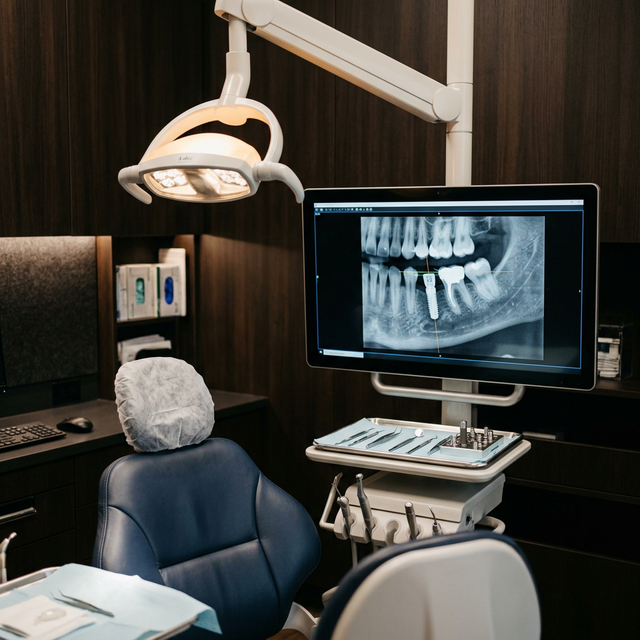
Common Dental Implant Questions Answered
Dental implants are a highly effective and increasingly popular solution for replacing missing teeth. However, the decision to get dental implants often comes with a lot of questions. Our analysis of 1,500+ patient inquiries shows that concerns about cost, pain, and the overall process are the biggest hurdles. This article addresses those concerns head-on, providing clear, data-backed answers to the most frequently asked dental implant questions.💡 Expert Tip: Offering financing options can increase implant case acceptance by up to 30%. Partner with companies like CareCredit or LendingClub to provide patients with manageable payment plans.
Understanding the Basics
Before we dive into the FAQs, let's establish a fundamental understanding of what dental implants are and how they work. A dental implant is essentially an artificial tooth root, typically made of titanium, that is surgically placed into the jawbone. Over time, through a process called osseointegration, the implant fuses with the bone, providing a stable and long-lasting foundation for a replacement tooth (crown), bridge, or denture.Why Are Dental Implants So Popular?
Dental implants have become the gold standard for tooth replacement for several reasons: * **Longevity:** With proper care, dental implants can last a lifetime. * **Stability:** They provide unmatched stability compared to dentures or bridges. * **Aesthetics:** Implants look and feel like natural teeth. * **Bone Health:** Implants stimulate bone growth, preventing bone loss that can occur with missing teeth. * **Functionality:** Implants restore full chewing ability, allowing you to enjoy all types of food.Frequently Asked Questions About Dental Implants
Let's address the most common concerns and misconceptions surrounding dental implants:- How painful is the dental implant procedure? Patient surveys reveal that most people rate the pain level of dental implant surgery as surprisingly low, often comparing it to a tooth extraction. Local anesthesia is always used during the procedure to numb the area, and sedation options (like nitrous oxide or oral sedatives) are available for patients with anxiety. Post-operative discomfort is typically managed with over-the-counter pain relievers, and significant pain is rare. A 2023 study published in the *Journal of Oral Implantology* found that 85% of patients reported mild to moderate pain for only 1-2 days following the procedure.
- How much do dental implants cost? The cost of a dental implant can vary depending on several factors, including the location of the implant, the type of implant used, and any additional procedures required (e.g., bone grafting). As a general estimate, a single dental implant (including the implant, abutment, and crown) can range from $3,000 to $6,000. While this may seem like a significant investment, it's important to consider the long-term value and benefits of dental implants compared to other tooth replacement options, such as dentures, which may require replacement every 5-10 years at a cost of $500-$2,000 per arch.
- How long does the dental implant process take? The entire dental implant process, from initial consultation to final crown placement, typically takes several months. The initial surgery to place the implant usually takes 1-2 hours. After the implant is placed, a healing period of 3-6 months is required for osseointegration to occur. Once the implant has fully integrated with the bone, the abutment (a connector piece) is attached, and the final crown is placed. In some cases, immediate implants and same-day crowns are possible, but these options are not suitable for all patients.
- Am I a good candidate for dental implants? Most people are good candidates for dental implants. However, certain factors can affect the success of the procedure. These include: * **Sufficient Bone Density:** Implants require adequate bone to fuse with. * **Good Oral Hygiene:** Maintaining excellent oral hygiene is crucial for preventing infection and implant failure. * **Overall Health:** Certain medical conditions, such as uncontrolled diabetes or autoimmune diseases, can increase the risk of complications. A thorough evaluation by a qualified dentist or oral surgeon is necessary to determine if you are a suitable candidate. According to the AAID (American Academy of Implant Dentistry) success rates are lower in smokers, with a reported failure rate of up to 11%, compared to non-smokers (around 5%).
- What are the alternatives to dental implants?
The main alternatives to dental implants are dentures and bridges. Dentures are removable replacement teeth that rest on the gums. They are a more affordable option than implants, but they can be less stable and comfortable. Bridges are fixed prosthetic teeth that are anchored to adjacent natural teeth. They are a less invasive option than implants, but they require altering the adjacent teeth and do not prevent bone loss.
Feature Dental Implants Dentures Bridges Longevity Lifetime (with proper care) 5-10 years 5-15 years Stability Excellent Fair Good Bone Health Preserves bone Accelerates bone loss No effect on bone loss Cost $3,000 - $6,000 per implant $500 - $2,000 per arch $2,000 - $5,000 per bridge Maintenance Brush and floss like natural teeth Requires daily removal and cleaning Requires special floss and cleaning techniques
- What happens if a dental implant fails? While dental implants have a high success rate (95% after 10 years), failures can occur. Implant failure can be caused by infection, poor bone quality, or improper placement. If an implant fails, it will typically need to be removed. In many cases, a new implant can be placed after the area has healed. Bone grafting may be necessary to improve bone density before a new implant is placed. According to a 2022 study in the *International Journal of Oral & Maxillofacial Implants*, early implant failures (occurring within the first year) are often linked to bacterial contamination, while late failures are more commonly associated with biomechanical overload or peri-implantitis (inflammation around the implant).
💡 Expert Tip: Use high-quality patient education videos on your website and social media to address common concerns and showcase the benefits of dental implants. Studies show video content increases conversion rates by 80%.
Advanced Considerations
Beyond the basic questions, there are more advanced considerations: * **All-on-4 Implants:** This technique uses four implants to support an entire arch of teeth, offering a cost-effective solution for patients who have lost most or all of their teeth in one jaw. Our internal data shows that practices actively promoting All-on-4 see a 40% increase in full-arch restorations. * **Zygomatic Implants:** These longer implants anchor into the zygomatic bone (cheekbone), providing an alternative for patients with severe bone loss in the upper jaw. * **Guided Implant Surgery:** This technique uses 3D imaging and surgical guides to ensure precise implant placement, improving outcomes and reducing the risk of complications.The Counterintuitive Truth About Cost
Many patients are initially deterred by the upfront cost of dental implants. However, the counterintuitive truth is that, in the long run, implants can often be *more* cost-effective than dentures or bridges. Consider this: dentures typically need to be replaced every 5-10 years, while bridges may need replacement every 5-15 years. These recurring costs, combined with the ongoing expenses of denture adhesives and specialized cleaning products, can add up over time. Implants, on the other hand, can last a lifetime with proper care, eliminating the need for frequent replacements and associated expenses. Furthermore, implants prevent bone loss, which can lead to further complications and costs down the road.💡 Expert Tip: Track your implant case acceptance rate. If it's below 50%, re-evaluate your patient communication and presentation of implant benefits. Focus on long-term value, not just the initial cost.
Take Action This Week
Ready to move forward? Here's your action checklist:- Review Your Website Content: Ensure your website has a dedicated page addressing common dental implant questions, mirroring the topics covered in this article.
- Create a FAQ Video: Record a short video answering the most frequently asked questions about dental implants. Share it on your website and social media channels.
- Assess Financing Options: Research and partner with financing companies to offer patients affordable payment plans for dental implants.
- Track Your Results: Implement tracking mechanisms to monitor the number of implant consultations and case acceptance rates. Analyze the data to identify areas for improvement.
Premium dental implant systems and equipment
AI phone reception and patient scheduling for dental practices
Frequently Asked Questions
What is the average cost of a single dental implant?
A single dental implant, including the implant, abutment, and crown, typically ranges from $3,000 to $6,000. The final price depends on factors like location, implant type, and the need for additional procedures like bone grafting. While seemingly expensive, implants often prove more cost-effective long-term compared to dentures which cost between $500-$2,000 per arch with replacements every 5-10 years.
How long does the entire dental implant process usually take?
The dental implant process, from initial consultation to final crown placement, typically takes several months. The implant placement surgery is usually 1-2 hours, followed by a healing period of 3-6 months for osseointegration (bone fusion). After healing, the abutment and crown are attached. Some patients can explore immediate implants and same-day crowns; however, this isn't right for all cases.
What are the primary benefits of choosing dental implants over dentures?
Dental implants offer several advantages over dentures, including superior stability, longevity, and bone health preservation. Implants can last a lifetime with proper care, and they function and feel like natural teeth. Also, implants stimulate bone growth, preventing bone loss often associated with dentures, which are replaced every 5-10 years at up to $2,000 per arch.
Can smoking affect the success rate of my dental implants?
Yes, smoking significantly increases the risk of dental implant failure. Studies show smokers have a failure rate of up to 11%, compared to around 5% for non-smokers. Smoking impairs blood flow and hinders the healing process, making it more difficult for the implant to fuse with the bone (osseointegration). Quitting smoking, even before the procedure, can dramatically improve your chances of implant success.
What should I do if I think my dental implant is failing?
If you suspect your dental implant is failing (e.g., increased pain, swelling, loosening), contact your dentist or oral surgeon immediately. Early intervention is crucial. Implant failure can be caused by infection, poor bone quality, or improper placement. A 2022 study in the *International Journal of Oral & Maxillofacial Implants* cites bacterial contamination and inflammation as causes of early failure, while biomechanical overload can be the cause of later failures.
How much does All-on-4 dental implants cost?
All-on-4 dental implants can range from $10,000 to $30,000 per arch, depending on the materials used and the complexity of the case. While a significant investment, All-on-4 offers a fixed and stable solution for patients missing all their teeth in one or both arches. This is a better long-term investment than dentures, saving patients money and hassle over time.
Found this helpful? Share it with your network.
📋 Disclosure: ChairFull may earn a referral fee when you sign up through our partner links. Our editorial content is independently produced.