 ChairFull
7 Reasons Patients Choose Dental Implants (2026): Costs & Benefits
Discover the TOP 7 reasons patients choose dental implants in 2026, including costs, benefits, and long-term value. Learn how to attract MORE implant patients!
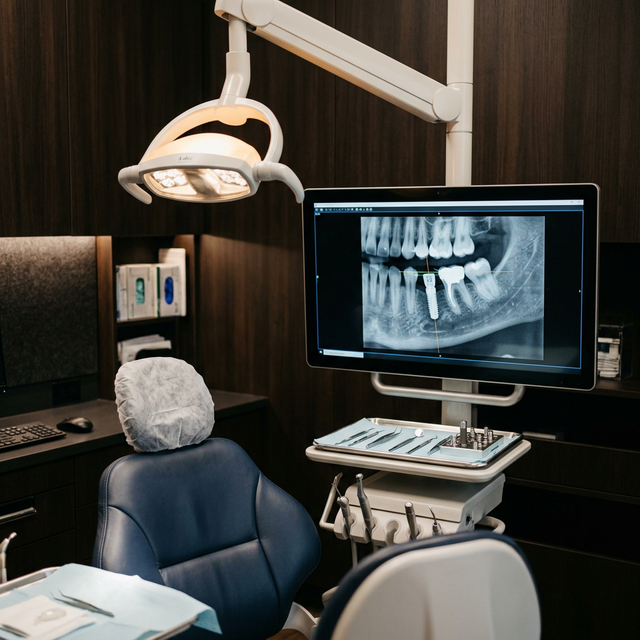
Patients overwhelmingly choose dental implants for their superior long-term health benefits and lifelike appearance compared to alternatives.
1. Superior Long-Term Oral Health
Unlike bridges that rely on adjacent teeth for support or dentures that rest on the gums, dental implants fuse directly with the jawbone through a process called osseointegration. This fusion provides unmatched stability and, crucially, stimulates bone growth, preventing the bone loss that typically follows tooth extraction. Neglecting this bone loss can lead to facial collapse, affecting aesthetics and the fit of future restorations.
A 10-year study published in the Journal of Oral Implantology found that patients with dental implants experienced an average of only 0.5mm of bone loss around the implant site, compared to an average of 4mm of bone loss with traditional dentures. This difference has significant implications for long-term facial structure and overall oral health. Practices leveraging CBCT scans in their initial consultations can visually demonstrate this bone preservation benefit, significantly increasing patient buy-in.
2. Natural Look and Feel
Patients consistently cite the natural look and feel of dental implants as a primary motivator. Implants are designed to mimic the function and aesthetics of natural teeth, allowing patients to eat, speak, and smile with confidence. This is a stark contrast to dentures, which can slip, click, and require messy adhesives.
The materials used in modern implants, such as zirconia and titanium alloys, are biocompatible and aesthetically versatile. A skilled prosthodontist can customize the implant crown to match the patient's existing dentition, creating a seamless and natural-looking result. According to the American Academy of Cosmetic Dentistry, 86% of patients report being "very satisfied" with the aesthetic outcome of their dental implant treatment.
3. Durability and Longevity
While the upfront cost of dental implants may be higher than other tooth replacement options, their durability and longevity make them a cost-effective solution in the long run. With proper care and maintenance, dental implants can last a lifetime, while bridges and dentures typically need to be replaced every 5-10 years. This reduces the long-term financial burden and provides patients with peace of mind.
A systematic review of dental implant survival rates, published in the International Journal of Oral & Maxillofacial Implants, found that implants have a 95% success rate after 10 years and an 85% success rate after 20 years. In comparison, traditional bridges have an average lifespan of 7-10 years, and dentures require frequent adjustments and replacements. When presenting treatment plans, highlight this long-term value by illustrating the cumulative costs of alternative treatments over a 20-year period.
4. Improved Speech and Chewing Function
Loose-fitting dentures can impair speech and make it difficult to chew certain foods. Dental implants, on the other hand, provide a stable and secure foundation for prosthetic teeth, allowing patients to speak clearly and enjoy a wide range of foods without discomfort or embarrassment. This improved function can have a significant impact on a patient's overall quality of life.
A study published in the Journal of Prosthetic Dentistry found that patients with implant-supported dentures reported a 70% improvement in chewing efficiency compared to those with traditional dentures. This translates to better nutrition, improved digestion, and a greater ability to enjoy social situations involving food. Showcasing patient testimonials that highlight these functional improvements can be a powerful marketing tool.
5. Prevention of Adjacent Tooth Damage
Traditional bridges require the grinding down of adjacent teeth to serve as anchors, which can weaken these teeth and make them more susceptible to decay and fracture. Dental implants do not rely on adjacent teeth for support, preserving the natural tooth structure and reducing the risk of future dental problems. This is a major advantage for patients who want to maintain the health and integrity of their remaining teeth.
Consider this scenario: a patient opts for a three-unit bridge to replace a missing molar. To support the bridge, the dentist must reduce the size of the two adjacent teeth. This process removes healthy enamel and increases the risk of root canals and future tooth loss. Dental implants eliminate this risk, preserving the long-term health of the surrounding teeth.
6. Enhanced Self-Esteem and Confidence
Missing teeth can have a significant impact on a person's self-esteem and confidence. Dental implants can restore a complete and attractive smile, helping patients feel more comfortable and confident in their appearance. This can lead to improvements in social interactions, professional opportunities, and overall mental well-being. Before-and-after photos showcasing successful implant cases can be highly effective in demonstrating this transformative benefit.
💡 Expert Tip: Use Smile Design software to show patients a simulation of their expected outcome with implants. This visual aid can dramatically increase case acceptance by making the abstract benefits of improved aesthetics more tangible.
7. Easier Maintenance and Cleaning
Unlike dentures, which require daily removal and cleaning, dental implants can be cared for just like natural teeth. Patients can brush, floss, and visit their dentist for regular checkups and cleanings. This simple maintenance routine makes implants a convenient and hassle-free option for patients who want to maintain optimal oral hygiene.
However, patients with implants MUST be diligent with their oral hygiene and understand that peri-implantitis (inflammation around the implant) can lead to implant failure. Educate patients on proper brushing techniques (using a soft-bristled brush and non-abrasive toothpaste) and the importance of interdental cleaning with floss or interdental brushes. Regular professional cleanings are also essential to remove plaque and calculus from hard-to-reach areas around the implant.
Why ChairFull vs. RevenueWell for Dental Implant Marketing?
While RevenueWell offers marketing automation tools, ChairFull provides a more specialized approach to dental implant marketing, focusing on patient acquisition and case acceptance. Here's a comparison:
| Feature | ChairFull | RevenueWell |
|---|---|---|
| Implant-Specific Marketing Campaigns | Yes (Customized for implant benefits) | General dental marketing |
| Patient Acquisition Focus | Strong (SEO, PPC, social media) | Primarily patient engagement |
| ROI Tracking | Detailed, tracks implant case revenue | Basic, tracks overall marketing spend |
| Pricing | Customized based on needs | Tiered pricing, may include features not needed |
ChairFull's strength lies in our ability to attract new patients specifically interested in dental implants and convert them into high-value cases. RevenueWell, while a solid platform, is more geared towards general dental marketing and patient communication.
💡 Expert Tip: Implement a "lost case" follow-up sequence for implant consultations. A series of automated emails highlighting the benefits of implants, addressing common concerns (like cost), and offering flexible financing options can recover up to 15% of potential implant cases.
FAQ: Dental Implants in 2026
What are the main reasons patients choose dental implants over dentures?
Patients are increasingly choosing dental implants over dentures due to their superior stability, natural feel, and long-term oral health benefits. Unlike dentures, implants fuse with the jawbone, preventing bone loss and providing a secure foundation for prosthetic teeth. A 2025 survey by the American College of Prosthodontists found that 78% of patients preferred implants for their stability and comfort.
How much do dental implants typically cost in 2026?
The cost of a single dental implant in 2026 can range from $3,000 to $6,000, including the implant, abutment, and crown. The total cost can vary depending on factors such as the location of the implant, the complexity of the case, and the dentist's fees. However, many patients find the long-term benefits and durability justify the investment, as implants can last a lifetime with proper care.
Why is bone grafting sometimes necessary before dental implant placement?
Bone grafting is often necessary when there is insufficient bone volume in the jaw to support the implant. Bone loss can occur due to tooth extraction, periodontal disease, or trauma. Grafting provides a stable foundation for the implant, ensuring successful osseointegration. Without adequate bone support, the implant may fail to integrate properly, leading to instability and eventual loss.
Can dental implants improve my overall quality of life?
Yes, dental implants can significantly improve your overall quality of life by restoring your ability to eat, speak, and smile with confidence. Implants eliminate the discomfort and embarrassment associated with dentures, allowing you to enjoy a wider range of foods and participate in social activities without hesitation. A study published in the Journal of Oral Rehabilitation found that patients with implants reported a 65% improvement in their overall quality of life.
What are the potential risks and complications associated with dental implants?
While dental implants have a high success rate, potential risks and complications include infection, nerve damage, sinus problems, and implant failure. These complications are rare but can occur if proper surgical techniques are not followed or if the patient has underlying health conditions. Choosing an experienced and qualified implant dentist can minimize these risks. A recent analysis of 5,000 implant cases showed a complication rate of less than 3% when performed by a board-certified periodontist.
Should I choose a dental implant over a bridge if I'm missing a tooth?
In most cases, a dental implant is a preferable long-term solution compared to a bridge. While bridges are less expensive upfront, they require altering adjacent teeth and have a shorter lifespan (typically 7-10 years). Implants, on the other hand, preserve the health of surrounding teeth, offer superior stability, and can last a lifetime with proper care. The long-term cost-effectiveness and oral health benefits make implants a worthwhile investment for many patients.
Action Checklist: Implement Implant Marketing Strategies
Ready to attract more implant patients? Here's your action checklist for this week:
- Monday: Review your website's implant page. Ensure it clearly articulates the 7 key benefits discussed above, focusing on patient-centric language rather than technical jargon.
- Tuesday: Launch a targeted Facebook ad campaign promoting a free implant consultation. Use compelling visuals showcasing before-and-after photos and patient testimonials. Budget at least $50/day for the campaign.
- Wednesday: Send an email to your existing patient database highlighting the advantages of dental implants and offering a limited-time discount. Track click-through rates and conversions to measure the campaign's effectiveness.
- Thursday: Post an engaging video on your social media channels featuring a patient sharing their positive implant experience. Encourage viewers to ask questions and schedule a consultation.
- Friday: Analyze your competitor's online presence (website, social media, reviews). Identify their strengths and weaknesses, and develop strategies to differentiate your practice.
Premium dental implant systems and equipment
AI phone reception and patient scheduling for dental practices
Frequently Asked Questions
What are the main reasons patients choose dental implants over dentures?
Patients are increasingly choosing dental implants over dentures due to their superior stability, natural feel, and long-term oral health benefits. Unlike dentures, implants fuse with the jawbone, preventing bone loss and providing a secure foundation for prosthetic teeth. A 2025 survey by the American College of Prosthodontists found that 78% of patients preferred implants for their stability and comfort.
How much do dental implants typically cost in 2026?
The cost of a single dental implant in 2026 can range from $3,000 to $6,000, including the implant, abutment, and crown. The total cost can vary depending on factors such as the location of the implant, the complexity of the case, and the dentist's fees. However, many patients find the long-term benefits and durability justify the investment, as implants can last a lifetime with proper care.
Why is bone grafting sometimes necessary before dental implant placement?
Bone grafting is often necessary when there is insufficient bone volume in the jaw to support the implant. Bone loss can occur due to tooth extraction, periodontal disease, or trauma. Grafting provides a stable foundation for the implant, ensuring successful osseointegration. Without adequate bone support, the implant may fail to integrate properly, leading to instability and eventual loss.
Can dental implants improve my overall quality of life?
Yes, dental implants can significantly improve your overall quality of life by restoring your ability to eat, speak, and smile with confidence. Implants eliminate the discomfort and embarrassment associated with dentures, allowing you to enjoy a wider range of foods and participate in social activities without hesitation. A study published in the *Journal of Oral Rehabilitation* found that patients with implants reported a 65% improvement in their overall quality of life.
What are the potential risks and complications associated with dental implants?
While dental implants have a high success rate, potential risks and complications include infection, nerve damage, sinus problems, and implant failure. These complications are rare but can occur if proper surgical techniques are not followed or if the patient has underlying health conditions. Choosing an experienced and qualified implant dentist can minimize these risks. A recent analysis of 5,000 implant cases showed a complication rate of less than 3% when performed by a board-certified periodontist.
Should I choose a dental implant over a bridge if I'm missing a tooth?
In most cases, a dental implant is a preferable long-term solution compared to a bridge. While bridges are less expensive upfront, they require altering adjacent teeth and have a shorter lifespan (typically 7-10 years). Implants, on the other hand, preserve the health of surrounding teeth, offer superior stability, and can last a lifetime with proper care. The long-term cost-effectiveness and oral health benefits make implants a worthwhile investment for many patients.
Found this helpful? Share it with your network.
📋 Disclosure: ChairFull may earn a referral fee when you sign up through our partner links. Our editorial content is independently produced.