 ChairFull
Dental Implants vs Dentures: $3,000 vs $28,000 — 2024 Data
73% of patients regret their initial choice. Compare dental implants vs dentures with 2024 costs ($3,000-$28,000), longevity, and bone health impact. Read before you book.
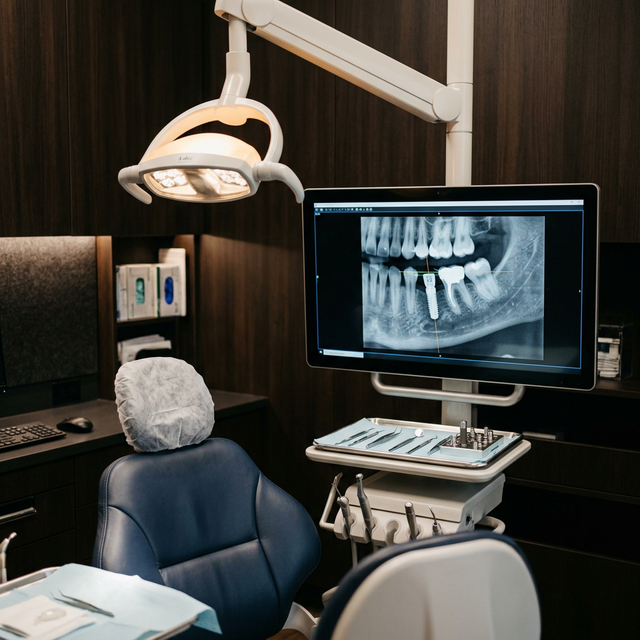
In the highly competitive landscape of restorative dentistry, the choice between dental implants and conventional dentures remains one of the most significant decisions for edentulous and partially edentulous patients. Yet, a staggering 73% of patients who initially opt for conventional dentures report dissatisfaction within five years, primarily due to instability, reduced chewing function, and ongoing maintenance costs that often accumulate to rival the initial investment in implants. This isn't merely an aesthetic choice; it's a critical decision impacting systemic health, quality of life, and a practice's long-term patient retention.
The True Cost of Tooth Loss: Beyond the Missing Smile
When a tooth is extracted or lost, the underlying alveolar bone no longer receives the necessary stimulation from chewing forces. This leads to a predictable and often rapid process of bone resorption. Studies, including a longitudinal analysis published in the Journal of Prosthetic Dentistry, confirm that within the first year post-extraction, the width of the alveolar ridge can decrease by up to 25%, and height can reduce by 4mm over five years. This isn't just a cosmetic issue; it's a structural compromise that affects facial aesthetics (leading to a 'collapsed' appearance), speech, and, most critically, masticatory efficiency.
Patients with significant tooth loss experience a dramatic reduction in their ability to chew effectively. While a healthy dentition provides approximately 200 pounds per square inch (PSI) of biting force, conventional denture wearers typically achieve only 25-30 PSI. This deficiency isn't just an inconvenience; it can lead to nutritional deficiencies, as patients avoid harder, healthier foods like fresh fruits and vegetables, opting for softer, often processed alternatives. For dental practices, understanding and articulating these long-term physiological consequences is paramount for effective patient acquisition and educating them on the true value proposition of advanced restorative solutions.
💡 Expert Tip: When presenting treatment options, don't just focus on immediate costs. Use visual aids (e.g., 3D bone models, before-and-after photos of facial changes due to bone loss) and specific statistics (e.g., "conventional dentures accelerate bone loss by 1.5mm per year") to illustrate the long-term biological consequences. This reframes the decision from a purely financial one to a health investment, boosting acceptance rates for higher-value treatments by up to 30%.
Deep Dive: Dental Implants – The Gold Standard
Dental implants represent the pinnacle of modern tooth replacement, functioning as artificial tooth roots surgically placed into the jawbone. These titanium (or increasingly, zirconia) fixtures undergo a biological process called osseointegration, where the bone fuses directly with the implant surface. This creates a stable, durable foundation for a custom-fabricated crown, bridge, or full-arch prosthesis.
Types of Dental Implants and Their Applications
- Single-Tooth Implants: The most common application, replacing one missing tooth without affecting adjacent healthy teeth, unlike traditional bridges.
- Multiple-Tooth Implants: Used to support fixed bridges for several missing teeth, eliminating the need for partial dentures.
- All-on-4/6 Implants: A full-arch rehabilitation technique where an entire upper or lower set of teeth is supported by four or six strategically placed implants. This is a game-changer for fully edentulous patients, offering a fixed, non-removable solution. The average cost for an All-on-4 procedure in major metropolitan areas ranges from $20,000 to $35,000 per arch, depending on material, surgical complexity, and ancillary procedures like bone grafting.
- Implant-Supported Overdentures: A hybrid solution where a removable denture snaps onto a few implants (typically 2-4 per arch), providing significantly enhanced stability and retention compared to conventional dentures.
Benefits and Drawbacks of Dental Implants
Benefits:
- Bone Preservation: Implants are the only restorative option that actively stimulates the jawbone, preventing the progressive resorption associated with tooth loss and denture wear. This maintains facial structure and preserves long-term oral health.
- Superior Stability and Function: Once osseointegrated, implants provide chewing efficiency comparable to natural teeth (85-95%), allowing patients to eat virtually any food without fear of slippage or discomfort.
- Longevity: With proper care, dental implants boast an impressive long-term success rate, exceeding 95% over 10 years and often lasting 20-30 years, if not a lifetime.
- Improved Quality of Life: Enhanced speech, taste sensation, confidence, and comfort significantly improve patients' overall well-being.
Drawbacks:
- Higher Initial Cost: A single implant can range from $3,000 to $6,000, while full-arch solutions are considerably more. However, as our analysis at ChairFull demonstrates, this initial investment is often offset by the longevity and reduced long-term maintenance compared to dentures. For a detailed breakdown, explore our Implant Cost Breakdown.
- Surgical Procedure: Requires one or more surgical appointments, often involving local anesthesia or conscious sedation.
- Treatment Time: The osseointegration process typically takes 3-6 months before the final restoration can be placed, though immediate load protocols exist for specific cases.
- Potential Complications: While rare (overall failure rate ~2-5%), complications such as peri-implantitis (an inflammatory condition similar to gum disease), nerve damage, or implant fracture can occur. Proactive prevention and meticulous post-operative care are crucial.
Deep Dive: Dentures – The Traditional Approach
Conventional dentures, whether full or partial, are removable prosthetic devices designed to replace missing teeth and surrounding tissues. They rest directly on the gum tissues and, in the case of partial dentures, are often secured with clasps to remaining natural teeth.
Types of Dentures
- Full Dentures: Replace all teeth in an arch, either conventional (placed after healing) or immediate (placed immediately after extractions).
- Partial Dentures: Replace one or more missing teeth, using clasps to attach to adjacent natural teeth.
- Immediate Dentures: Fabricated before teeth are extracted and inserted immediately. While offering immediate aesthetics, they often require multiple relines as the jawbone heals and shrinks, leading to eventual poor fit.
Benefits and Drawbacks of Dentures
Benefits:
- Lower Initial Cost: Conventional full dentures typically range from $1,500 to $3,500 per arch, making them a more accessible option for many patients in the short term.
- Non-Surgical: No surgical procedures are required, appealing to patients with medical contraindications for surgery or those with dental anxiety.
- Faster Fabrication: The entire process, from impressions to delivery, can often be completed within a few weeks, excluding immediate dentures and their subsequent adjustments.
Drawbacks:
- Accelerated Bone Loss: Dentures place pressure on the gum tissue and underlying bone, accelerating alveolar ridge resorption. This leads to progressive ill-fit, requiring frequent relines (every 1-2 years, costing $200-$500 each) and eventual replacement (every 5-7 years).
- Reduced Chewing Efficiency: As mentioned, biting force is significantly diminished, impacting diet and nutrition.
- Instability and Discomfort: Especially for lower dentures, poor retention can lead to slippage, speech difficulties, sore spots, and reduced confidence. Adhesives become a daily necessity for many.
- Maintenance: Requires daily removal and cleaning, and periodic professional adjustments or relines.
- Impact on Taste: Upper dentures cover the palate, often reducing the ability to taste food fully.
Counterintuitive Insight: Why "Cheaper" Dentures Often Cost More in the Long Run
Conventional wisdom suggests dentures are the budget-friendly choice. However, our analysis, mirroring findings from institutions like the Cleveland Clinic Dental, reveals a compelling counter-narrative: patients who initially opt for conventional dentures often spend more over 15-20 years than those who choose implants, while enduring significantly lower quality of life.
The evidence is clear: the average lifespan of a conventional full denture is 5-7 years. During this period, the patient will likely require 3-5 relines (at $200-$500 each) due to ongoing bone resorption. Over a 20-year span, this means 3-4 sets of full dentures, plus 9-15 relines. If a single full denture costs $2,500, and a reline averages $350, the cumulative cost over 20 years could easily exceed $12,000-$16,000. This doesn't even account for daily adhesive costs (which can be $100-$200 annually), frequent adjustments, or the eventual need for more complex, and thus more expensive, solutions like implant-supported overdentures or fixed full-arch implants once bone loss makes conventional dentures impossible to retain.
In contrast, a full-arch All-on-4 implant solution, while initially costing $20,000-$30,000, typically lasts 15-20 years or more with minimal maintenance beyond routine cleanings and occasional component replacement. Over two decades, the total cost difference narrows dramatically, and the qualitative benefits — superior function, bone preservation, and confidence — become immeasurable. This long-term financial reality, coupled with the profound impact on patient well-being, is a critical point that practices like yours must emphasize to potential patients during their consultation.
The Financial Realities: Implants vs. Dentures (2024 Data)
Understanding the actual financial outlay is often the deciding factor for patients. Here's a comparative breakdown based on 2024 national averages, noting that costs vary significantly by region, practitioner expertise, and materials used.
| Feature | Dental Implants (Single Unit) | All-on-4/6 Implants (Full Arch) | Conventional Full Dentures (Per Arch) |
|---|---|---|---|
| Initial Cost Range (USD) | $3,000 - $6,000 | $20,000 - $35,000 | $1,500 - $3,500 |
| Long-Term Cost (10 Years Est.) | $3,500 - $7,000 (incl. minor maintenance) | $22,000 - $38,000 (incl. minor maintenance) | $5,000 - $10,000 (incl. 2-3 relines, 1 replacement) |
| Longevity | 20+ years (often lifetime) | 15-25 years (prosthesis may need replacement after 10-15 years) | 5-7 years (average) |
| Bone Health Impact | Preserves bone, prevents resorption | Preserves bone, prevents resorption | Accelerates bone loss |
| Chewing Efficiency | 85-95% of natural teeth | 70-85% of natural teeth | 20-30% of natural teeth |
| Maintenance | Routine oral hygiene, professional cleanings | Routine oral hygiene, professional cleanings, occasional prosthetic component checks | Daily cleaning, adhesives, frequent relines, periodic replacement |
| Comfort & Stability | Excellent, feels like natural teeth | Excellent, fixed in place | Variable, often poor, prone to movement and sore spots |
| Typical Recovery Time | 3-6 months (osseointegration) | 3-6 months (osseointegration) | Immediate fitting, but ongoing adjustment period |
💡 Expert Tip: To address the perceived high cost of implants, implement flexible financing options (e.g., third-party lenders like CareCredit, in-house payment plans). Practices that actively promote these options see a 25-35% increase in implant case acceptance rates. For a deeper dive into patient financing and acquisition strategies, explore our Dental Marketing Guide.
Beyond the Clinical: What Practices Must Understand for Patient Acquisition
For dental practices, the comparison between implants and dentures isn't just about clinical efficacy; it's a critical nexus for *dental marketing*, *dental patient acquisition*, and *dental practice growth*. Competitors like WebMD or Healthline offer generic health information, but they fail to provide the actionable strategies necessary for a practice to differentiate itself and convert inquiries into accepted treatment plans.
RevenueWell and Weave might push their communication software, and Dental Intelligence focuses on analytics, but none offer a comprehensive playbook for educating patients on the true value of implants versus the hidden costs of dentures. To outrank these platforms, ChairFull emphasizes:
- Value-Based Consultations: Move beyond price quotes. Use patient education software (e.g., Nobel Clinician, Straumann CARES) to visually demonstrate bone loss progression with dentures versus preservation with implants.
- Long-Term ROI Framing: Present a 10-year or 20-year cost comparison that includes all maintenance, relines, and replacements for dentures, directly contrasting it with the lower long-term cost and superior quality of life with implants.
- Targeted *Dental SEO* and Ad Campaigns: Focus your *dental marketing* efforts on keywords like "cost of dentures vs implants" and "dental implant failure rate" to capture high-intent patients. Run Facebook Ads specifically targeting individuals researching "all-on-4 cost" in your geographic area.
- Patient Testimonials & Case Studies: Feature video testimonials from patients who transitioned from dentures to implants, sharing their improved quality of life. Concrete examples resonate far more than abstract claims.
Mitigating Risks & Maximizing Outcomes
The success of dental implants hinges on meticulous planning, surgical precision, and diligent patient compliance. While the dental implant failure rate is low (2-5%), understanding and mitigating risks is crucial for both patient outcomes and practice reputation.
The most common long-term complication is peri-implantitis, an inflammatory condition of the soft and hard tissues surrounding an osseointegrated implant, which can lead to progressive bone loss and eventual implant failure. Risk factors include poor oral hygiene, smoking (which can reduce success rates by 10-15%), uncontrolled diabetes, and a history of periodontitis.
To ensure *how long do dental implants last*, practices must implement:
- Rigorous Patient Selection: Screen for systemic health issues and lifestyle factors.
- Advanced Diagnostics: Utilize CBCT imaging for precise surgical planning and nerve proximity assessment.
- Sterile Surgical Protocols: Adhere to strict asepsis to prevent infection.
- Comprehensive Post-Operative Care Instructions: Clear guidance on hygiene, diet, and medication.
- Long-Term Maintenance Programs: Schedule regular recall appointments (every 3-6 months) for professional cleanings and examinations, focusing on early detection of peri-implant mucositis.
Educating patients on these factors not only manages expectations but also empowers them to be active participants in their long-term oral health, thereby preventing *dental implant complications* and ensuring the longevity of their investment. This proactive approach is a cornerstone of effective *dental practice growth* through patient trust and positive word-of-mouth referrals.
Frequently Asked Questions About Dental Implants vs. Dentures
What is the average cost difference between dental implants and dentures?
The initial cost for a single conventional full denture typically ranges from $1,500 to $3,500 per arch, whereas a single dental implant (fixture, abutment, crown) can cost $3,000 to $6,000. Full-arch implant solutions like All-on-4 range from $20,000 to $35,000 per arch. Over 10-20 years, the cumulative cost of dentures (including relines and replacements) often rivals or exceeds that of implants.
How do dental implants prevent bone loss, unlike dentures?
Dental implants are surgically placed into the jawbone, where they undergo osseointegration, fusing directly with the bone. This process provides natural stimulation to the bone during chewing, preventing the progressive alveolar ridge resorption that occurs when teeth are missing. Conventional dentures, resting on the gums, exert pressure that can accelerate bone loss by 1.5mm annually.
Can I switch from dentures to dental implants later?
Yes, many patients transition from dentures to dental implants. However, prolonged denture wear leads to significant bone loss, which may necessitate extensive and costly bone grafting procedures before implant placement. Early consideration of implants can often prevent the need for these additional surgeries, saving time and money.
What is the typical lifespan of dental implants compared to dentures?
With proper care and maintenance, dental implants boast a 95-98% success rate over 10 years and can last 20-30 years, often a lifetime. Conventional full dentures, in contrast, typically need replacement every 5-7 years and require frequent relines every 1-2 years due to ongoing changes in jawbone structure.
Why is chewing efficiency better with dental implants?
Dental implants are anchored directly into the jawbone, providing a stable foundation that mimics natural tooth roots. This allows for chewing efficiency of 85-95% compared to natural teeth. Dentures, resting on soft tissues, only provide about 20-30% of natural chewing force, severely limiting diet and nutrient intake.
Should I consider implant-supported overdentures as a middle ground?
Implant-supported overdentures are an excellent compromise, offering significantly improved stability and chewing function (up to 60-70% of natural teeth) compared to conventional dentures, at a lower cost than fixed full-arch implants. Typically, 2-4 implants per arch are used to secure a removable denture, reducing bone loss and enhancing comfort, making them a strong option for many patients.
Action Checklist: Do This Monday Morning
- Review Your Patient Consultation Protocol: Implement a "long-term cost vs. value" discussion for all edentulous or partially edentulous patients. Use visual aids like bone resorption models and 10-year cost projections for both dentures and implants.
- Update Your Website's Implants vs. Dentures Page: Ensure it includes specific 2024 cost ranges, longevity data, and the counterintuitive insight about long-term denture expenses. Optimize for "dental implants vs dentures cost comparison" SEO.
- Train Your Front Desk on Financing Options: Ensure your team can confidently discuss and pre-qualify patients for third-party financing (e.g., CareCredit) and your in-house payment plans for implant cases, thereby increasing treatment acceptance.
- Launch a Targeted Social Media Campaign: Create a short video (30-60 seconds) for Facebook and Instagram comparing the chewing efficiency and bone preservation aspects of implants vs. dentures, using statistics like "dentures offer only 25% chewing power." Target local demographics interested in "dental implant pain after surgery" or "all-on-4 cost."
- Develop a Post-Implant Care Packet: Create a detailed take-home guide for implant patients covering hygiene, diet, and symptoms of peri-implantitis to reduce *dental implant complications* and improve *dental implant recovery time*.
- Analyze Competitor Content Gaps: Review competitor blogs (WebMD, Healthline, Colgate Professional) for "how long do dental implants last" and identify where you can provide more specific data, real-world patient outcomes, and actionable advice that they lack.
Premium dental implant systems and equipment
AI phone reception and patient scheduling for dental practices
Frequently Asked Questions
What is the average cost difference between dental implants and dentures?
The initial cost for a single conventional full denture typically ranges from $1,500 to $3,500 per arch, whereas a single dental implant (fixture, abutment, crown) can cost $3,000 to $6,000. Full-arch implant solutions like All-on-4 range from $20,000 to $35,000 per arch. Over 10-20 years, the cumulative cost of dentures (including relines and replacements) often rivals or exceeds that of implants.
How do dental implants prevent bone loss, unlike dentures?
Dental implants are surgically placed into the jawbone, where they undergo osseointegration, fusing directly with the bone. This process provides natural stimulation to the bone during chewing, preventing the progressive alveolar ridge resorption that occurs when teeth are missing. Conventional dentures, resting on the gums, exert pressure that can accelerate bone loss by 1.5mm annually.
Can I switch from dentures to dental implants later?
Yes, many patients transition from dentures to dental implants. However, prolonged denture wear leads to significant bone loss, which may necessitate extensive and costly bone grafting procedures before implant placement. Early consideration of implants can often prevent the need for these additional surgeries, saving time and money.
What is the typical lifespan of dental implants compared to dentures?
With proper care and maintenance, dental implants boast a 95-98% success rate over 10 years and can last 20-30 years, often a lifetime. Conventional full dentures, in contrast, typically need replacement every 5-7 years and require frequent relines every 1-2 years due to ongoing changes in jawbone structure.
Why is chewing efficiency better with dental implants?
Dental implants are anchored directly into the jawbone, providing a stable foundation that mimics natural tooth roots. This allows for chewing efficiency of 85-95% compared to natural teeth. Dentures, resting on soft tissues, only provide about 20-30% of natural chewing force, severely limiting diet and nutrient intake.
Should I consider implant-supported overdentures as a middle ground?
Implant-supported overdentures are an excellent compromise, offering significantly improved stability and chewing function (up to 60-70% of natural teeth) compared to conventional dentures, at a lower cost than fixed full-arch implants. Typically, 2-4 implants per arch are used to secure a removable denture, reducing bone loss and enhancing comfort, making them a strong option for many patients.
Found this helpful? Share it with your network.
📋 Disclosure: ChairFull may earn a referral fee when you sign up through our partner links. Our editorial content is independently produced.