 ChairFull
Dental Implant Payment Plans: 7 Best Financing Options
Confused about dental implant costs? Discover 7 payment plans to make implants affordable. Get the smile you deserve without breaking the bank!
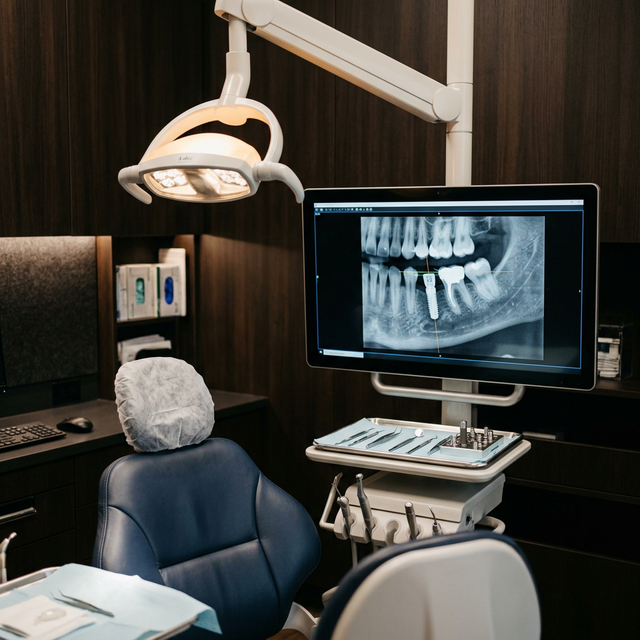
The Reality of Dental Implant Costs
Let's face it: dental implants aren't cheap. The average single-tooth implant can range from $3,000 to $5,000, and a full-mouth restoration can easily exceed $30,000. These figures often lead prospective patients to abandon the idea altogether, opting for less effective solutions like dentures or bridges. However, these alternatives can lead to bone loss and other issues in the long run, costing more in the long run.💡 Expert Tip: Before committing to a treatment plan, get a detailed breakdown of all costs involved. This should include the implant itself, abutment, crown, surgery fees, and any necessary bone grafting. Ask about potential hidden fees, too.But what if we told you that the sticker price doesn't have to be the final word? With the right dental implant payment plans and financing options, achieving a healthy, confident smile is within reach for more people than you might think. We've seen countless patients successfully navigate the financial aspect of implants, and we're here to guide you through the available avenues.
Understanding Your Dental Implant Financing Options
There's no one-size-fits-all solution when it comes to financing dental implants. Your best approach depends on your credit score, income, and individual circumstances. Let's examine the most common and effective options:1. In-House Dental Payment Plans
Many dental practices offer their own in-house payment plans, allowing you to spread the cost of your treatment over a set period. These plans often come with lower interest rates (or even 0% interest) compared to third-party financing. A 2023 survey by the American Academy of Implant Dentistry found that 42% of practices offer in-house payment plans, making it a worthwhile first stop.- Pros: Lower interest rates, flexible payment schedules, direct relationship with your dentist.
- Cons: May require a down payment, shorter repayment terms, may not be available at all practices.
2. Third-Party Dental Financing
Companies like CareCredit and LendingClub offer loans specifically for healthcare procedures, including dental implants. These options provide longer repayment terms, but typically come with higher interest rates, especially for those with less-than-perfect credit. Always compare interest rates and terms carefully before committing.💡 Expert Tip: Check if your dental practice offers a discount for paying in cash. Some offices offer a 3-5% discount, which can save you hundreds on a full implant procedure.
3. Credit Cards
Using a credit card to finance dental implants can be a viable option, especially if you have a card with a 0% introductory APR or rewards program. However, be mindful of high interest rates after the introductory period ends. According to Experian, the average credit card APR is currently over 20%, which can quickly add up if you carry a balance for too long.4. Personal Loans
Unsecured personal loans from banks or credit unions can provide another source of funding. Interest rates and terms vary based on your creditworthiness. Research and compare offers from multiple lenders to find the most favorable terms. A 2024 analysis by Bankrate found that the average personal loan interest rate ranges from 10% to 28%, depending on credit score.5. Health Savings Accounts (HSAs) and Flexible Spending Accounts (FSAs)
If you have an HSA or FSA, you can use pre-tax dollars to pay for eligible healthcare expenses, including dental implants. This can significantly reduce your out-of-pocket costs. Be aware of annual contribution limits and deadlines for using your funds.6. Dental Insurance
While dental insurance typically doesn't cover the full cost of implants, some plans may offer partial coverage, especially for the crown portion of the procedure. Check your policy details carefully and speak with your insurance provider to understand your benefits. The National Association of Dental Plans reports that about 5% of plans offer some implant coverage.7. Crowdfunding
Don't underestimate the power of community support! Platforms like GoFundMe can be used to raise funds for medical expenses, including dental implants. While not a guaranteed solution, crowdfunding can be a helpful supplement to other financing options.Comparing Dental Implant Payment Plans
Here's a quick comparison of the various payment options we've discussed:| Payment Plan | Interest Rate | Repayment Terms | Pros | Cons |
|---|---|---|---|---|
| In-House Plans | 0-10% | 6-24 months | Lower interest, flexible terms | Shorter terms, may require down payment |
| Third-Party Financing | 8-30% | 24-84 months | Longer terms, larger loan amounts | Higher interest, credit score dependent |
| Credit Cards | 0% (introductory) / 15-25% (regular) | Varies | Rewards, flexibility | High interest after intro period |
| Personal Loans | 7-36% | 12-72 months | Fixed rates, predictable payments | Credit score dependent, may require collateral |
| HSA/FSA | 0% | N/A | Pre-tax dollars, reduces overall cost | Contribution limits, use-it-or-lose-it rule (FSA) |
The Counterintuitive Truth: Investing in Implants Saves Money
It might seem counterintuitive, but choosing dental implants over cheaper alternatives like dentures or bridges can actually save you money in the long run. How? Because implants prevent bone loss, maintain facial structure, and eliminate the need for messy adhesives. A 2022 study published in the *Journal of Prosthodontics* found that patients with dentures were 3x more likely to require additional dental procedures within 10 years compared to those with implants, costing an average of $2,700 more.💡 Expert Tip: Consider the long-term cost savings of dental implants. While the initial investment is higher, they can prevent future dental problems and reduce the need for costly repairs or replacements.
Frequently Asked Questions
What credit score is needed for dental implant financing?
While there's no magic number, a credit score of 670 or higher generally increases your chances of approval for dental implant financing with favorable interest rates. A score between 670-739 is considered "good," while 740-799 is "very good," and 800+ is "excellent." However, some lenders may work with borrowers who have lower scores, albeit with higher interest rates.How much do dental implants cost with insurance?
The amount dental insurance covers for implants varies widely depending on the plan. Some plans may cover a portion of the crown (typically around 50%), while others offer no coverage at all. On average, plans that cover implants may contribute between $1,000 and $2,000 towards the total cost. Review your policy details or contact your insurance provider for specific information.Why are dental implants so expensive?
The high cost of dental implants is attributed to several factors, including the cost of materials (titanium implants, porcelain crowns), specialized equipment and technology, the dentist's expertise and training, and laboratory fees. Also, the multi-stage process -- from initial consultation and imaging to surgery and crown placement -- all contribute to the overall expense.Can I write off dental implants on my taxes?
Yes, you may be able to deduct the cost of dental implants as a medical expense on your taxes, but only to the extent that your total medical expenses exceed 7.5% of your adjusted gross income (AGI). Keep detailed records of all expenses and consult with a tax professional for personalized advice.Should I get a dental loan or use a credit card for implants?
The best option depends on your individual circumstances. If you can qualify for a 0% introductory APR credit card and pay off the balance within the promotional period, that might be the most cost-effective route. However, if you need a longer repayment period, a dental loan with a fixed interest rate may be a better choice. Consider the interest rates, fees, and repayment terms of each option carefully.What are the risks of not getting dental implants after tooth loss?
Delaying dental implant treatment after tooth loss can lead to several complications, including bone loss in the jaw, shifting of adjacent teeth, difficulty chewing, and changes in facial structure. Bone loss can occur rapidly, with up to 25% of bone volume lost within the first year after extraction. Addressing tooth loss promptly with implants can help prevent these long-term issues.Your Action Checklist for This Week
Ready to take the next step towards a confident smile? Here's what you should do this week:- Schedule a consultation: Contact a local implant dentist for an evaluation and treatment plan.
- Check your insurance: Contact your dental insurance provider to understand your coverage for implants.
- Explore financing options: Research in-house payment plans, third-party financing, and personal loan options.
- Calculate your budget: Determine how much you can realistically afford to spend on dental implants each month.
- Compare quotes: Get quotes from multiple dental practices to ensure you're getting a fair price.
Premium dental implant systems and equipment
AI phone reception and patient scheduling for dental practices
Frequently Asked Questions
What credit score is needed for dental implant financing?
While there's no magic number, a credit score of 670 or higher generally increases your chances of approval for dental implant financing with favorable interest rates. A score between 670-739 is considered "good," while 740-799 is "very good," and 800+ is "excellent." However, some lenders may work with borrowers who have lower scores, albeit with higher interest rates.
How much do dental implants cost with insurance?
The amount dental insurance covers for implants varies widely depending on the plan. Some plans may cover a portion of the crown (typically around 50%), while others offer no coverage at all. On average, plans that cover implants may contribute between $1,000 and $2,000 towards the total cost. Review your policy details or contact your insurance provider for specific information.
Why are dental implants so expensive?
The high cost of dental implants is attributed to several factors, including the cost of materials (titanium implants, porcelain crowns), specialized equipment and technology, the dentist's expertise and training, and laboratory fees. Also, the multi-stage process -- from initial consultation and imaging to surgery and crown placement -- all contribute to the overall expense.
Can I write off dental implants on my taxes?
Yes, you may be able to deduct the cost of dental implants as a medical expense on your taxes, but only to the extent that your total medical expenses exceed 7.5% of your adjusted gross income (AGI). Keep detailed records of all expenses and consult with a tax professional for personalized advice.
Should I get a dental loan or use a credit card for implants?
The best option depends on your individual circumstances. If you can qualify for a 0% introductory APR credit card and pay off the balance within the promotional period, that might be the most cost-effective route. However, if you need a longer repayment period, a dental loan with a fixed interest rate may be a better choice. Consider the interest rates, fees, and repayment terms of each option carefully.
What are the risks of not getting dental implants after tooth loss?
Delaying dental implant treatment after tooth loss can lead to several complications, including bone loss in the jaw, shifting of adjacent teeth, difficulty chewing, and changes in facial structure. Bone loss can occur rapidly, with up to 25% of bone volume lost within the first year after extraction. Addressing tooth loss promptly with implants can help prevent these long-term issues.
Found this helpful? Share it with your network.
📋 Disclosure: ChairFull may earn a referral fee when you sign up through our partner links. Our editorial content is independently produced.