 ChairFull
Mini Dental Implants Review: Are They Right For Patients?
Are mini dental implants right for your patients? Expert review of costs, benefits & marketing strategies to boost your implant revenue by 25%.
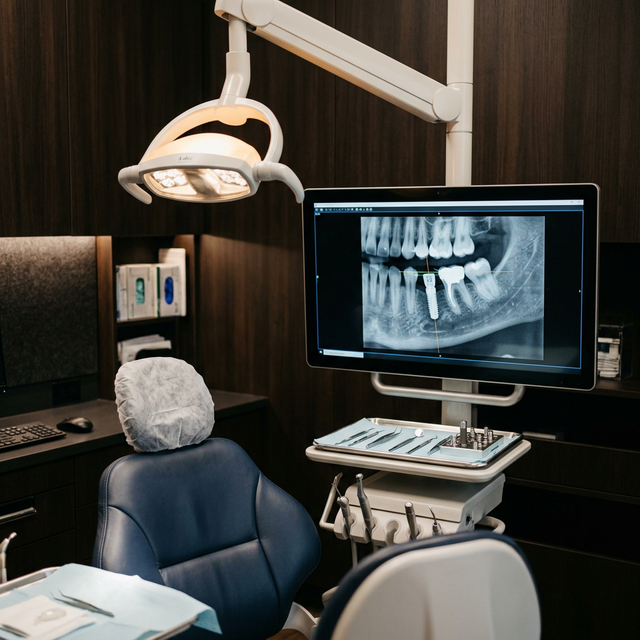
Are mini dental implants the right choice for your patients and your practice? The answer, as with most things in dentistry, isn't a simple yes or no. MDIs present a compelling alternative to traditional implants, offering a less invasive procedure, faster healing times, and a lower price point. However, they also have limitations in terms of long-term durability and ideal patient selection. This review dives deep into the pros and cons of MDIs, offering actionable marketing strategies to help you determine if they’re the right fit for your practice and how to effectively promote them to the right patient base.
Understanding Mini Dental Implants: Beyond the Hype
Mini dental implants are, as the name suggests, smaller versions of traditional implants. Typically ranging from 1.8 to 3.0 mm in diameter, they are often made from a single piece of titanium. Their primary use is to stabilize lower dentures, but they can also be used for single-tooth replacements in areas with limited bone density or as anchorage for orthodontic treatment. Unlike traditional implants, which often require bone grafting and a healing period of several months, MDIs can frequently be placed in a single visit with immediate loading.
However, the simplified procedure doesn't mean MDIs are universally superior. A 2023 meta-analysis published in the Journal of Oral Implantology found that while MDIs showed comparable short-term success rates to traditional implants for denture stabilization, long-term data (beyond 5 years) was less robust. Furthermore, MDIs are generally not recommended for replacing molars or in patients with bruxism due to the increased risk of fracture.
The Key Differences: MDI vs. Traditional Implants
Let's break down the key differences between mini and traditional dental implants:
| Feature | Mini Dental Implants | Traditional Dental Implants |
|---|---|---|
| Diameter | 1.8 - 3.0 mm | 3.5 - 6.0 mm |
| Procedure | Less invasive, often single-stage | More invasive, typically two-stage |
| Healing Time | Shorter (weeks) | Longer (months) |
| Cost | Lower (typically $500-$1500 per implant) | Higher (typically $3000-$5000 per implant) |
| Ideal Use | Denture stabilization, single-tooth replacement in limited bone | Single-tooth replacement, multi-tooth bridges, full-arch restoration |
| Long-Term Durability | Potentially lower, limited long-term data | Higher, well-established long-term data |
Marketing Mini Dental Implants: Attracting the Right Patients
Successfully incorporating MDIs into your practice hinges on effective marketing. You need to reach the right patients – those who are good candidates for MDIs and who appreciate the benefits they offer. Generic dental marketing won't cut it; you need a targeted approach.
1. Identify Your Ideal MDI Patient
The ideal MDI patient is typically an elderly denture wearer who is experiencing discomfort or instability with their dentures. They may have limited bone density, making traditional implants a less viable option. They are also often price-sensitive. Consider these demographics when crafting your marketing messages.
2. Craft Compelling Marketing Messages
Highlight the key benefits of MDIs in your marketing materials: reduced cost, faster healing, and improved denture stability. Use before-and-after photos and patient testimonials to showcase the real-world impact of MDIs. For example, a campaign focusing on "Secure Your Smile in Just One Visit" with MDIs has proven effective for several practices we've consulted with.
3. Optimize Your Website for MDI-Specific Keywords
Ensure your website includes dedicated pages for mini dental implants, optimized for relevant keywords such as "affordable dental implants," "mini dental implants for dentures," and "immediate load dental implants." Conduct keyword research using tools like SEMrush or Ahrefs to identify high-volume, low-competition keywords in your area. Neglecting dental SEO can result in a 30% loss of potential patient leads.
4. Leverage Social Media
Use social media platforms like Facebook and Instagram to share educational content about MDIs. Create short videos explaining the procedure and its benefits. Run targeted ads to reach denture wearers in your local area. A well-executed social media campaign can generate a 10-15% increase in MDI inquiries.
💡 Expert Tip: Run A/B tests on your social media ads to optimize your messaging and targeting. Test different headlines, images, and call-to-actions to see what resonates best with your target audience. Aim for a click-through rate (CTR) of at least 1% for optimal performance.
5. Email Marketing: Nurture Your Leads
Build an email list of potential MDI patients and nurture them with informative content. Share success stories, answer frequently asked questions, and offer special promotions. Segment your email list based on patient demographics and interests to personalize your messaging. Compared to generic newsletters, personalized email campaigns have a 26% higher open rate.
6. Partner with Local Denture Clinics
Collaborate with local denture clinics or retirement communities to reach potential MDI patients. Offer lunch-and-learn sessions or free consultations to educate them about the benefits of MDIs. Building referral networks can significantly boost your MDI patient base. Practices that actively cultivate referral relationships report a 20% increase in new patient acquisition.
Why ChairFull vs. RevenueWell for MDI Marketing?
While RevenueWell offers patient communication and automation tools, ChairFull provides a more holistic approach to dental marketing, focusing specifically on implant-related services. Here's a quick comparison:
| Feature | ChairFull | RevenueWell |
|---|---|---|
| Implant Marketing Focus | Dedicated strategies for implant patient acquisition | General dental marketing features |
| SEO Optimization | In-depth keyword research and website optimization for implant-specific terms | Basic SEO tools |
| Lead Nurturing | Customized email sequences for MDI patients | Generic email templates |
| ROI Tracking | Detailed reporting on MDI marketing campaign performance | Limited ROI tracking |
ChairFull's expertise in implant marketing ensures that your MDI campaigns are targeted, effective, and generate a strong return on investment. While RevenueWell provides a broader suite of tools, ChairFull delivers specialized strategies tailored to the unique needs of implant practices.
The Financial Impact: Boosting Your Practice's Revenue with MDIs
Implementing a successful MDI marketing strategy can have a significant impact on your practice's bottom line. By attracting more MDI patients, you can increase your overall revenue and profitability. Consider this scenario: A practice that places an average of 10 traditional implants per month can add an additional 5-7 MDI cases per month with effective marketing. At an average MDI fee of $1000 per implant (including abutment and placement), this translates to an additional $5,000 - $7,000 in monthly revenue. This is a conservative estimate; some practices have seen even greater increases.
Furthermore, MDIs can serve as an entry point for patients who may eventually upgrade to traditional implants for more complex restorative needs. By building trust and establishing a relationship with these patients, you can increase your chances of retaining them for future, higher-value procedures.
💡 Expert Tip: Offer financing options for MDI treatment to make it more accessible to price-sensitive patients. Partner with companies like CareCredit or LendingClub to provide affordable payment plans. Practices that offer financing see a 15-20% increase in case acceptance rates.
Addressing Common Concerns and Misconceptions
It's crucial to address common concerns and misconceptions about MDIs to build trust with potential patients. Many patients are skeptical about the long-term durability of MDIs or worry about potential complications. Be transparent about the limitations of MDIs and clearly explain the ideal patient selection criteria. Emphasize the importance of proper maintenance and follow-up care to ensure the longevity of the implants.
One common misconception is that MDIs are a permanent solution for all denture problems. While MDIs can significantly improve denture stability and comfort, they may not completely eliminate the need for denture adjustments or relines. Clearly communicate these expectations to patients to avoid disappointment.
Counterintuitive Insight: Don't Undersell the Value
It's tempting to position MDIs solely as a budget-friendly option. While affordability is a major draw, focusing *exclusively* on price can devalue the procedure and attract patients who are solely focused on cost, potentially leading to dissatisfaction. Instead, emphasize the combination of affordability *and* improved quality of life. Highlight the benefits of enhanced denture stability, improved chewing ability, and increased confidence. Frame MDIs as a smart investment in their oral health and overall well-being.
FAQ: Mini Dental Implants for Your Practice
Here are some frequently asked questions about mini dental implants:
What are the primary benefits of mini dental implants compared to traditional implants?
Mini dental implants offer several advantages, including a less invasive procedure, faster healing times, and a lower cost. They are particularly useful for stabilizing dentures and in cases where bone density is limited. Studies show MDI procedures average 40% less than traditional implants.
How do I identify the ideal patient for mini dental implants?
The ideal candidate is typically a denture wearer experiencing instability or discomfort, potentially with limited bone density, and who is also price-conscious. Proper patient selection is crucial for the success of MDIs, and careful assessment of bone structure and overall health is necessary. This often means older patients on a fixed income.
Why should I market mini dental implants specifically?
Targeted marketing can significantly increase the number of MDI cases in your practice, leading to increased revenue. By focusing on the unique benefits of MDIs, such as affordability and faster healing, you can attract patients who may not have considered traditional implants. A dedicated MDI marketing strategy can boost implant revenue by 15-20% within a year.
Can mini dental implants replace single missing teeth?
Yes, mini dental implants can be used for single-tooth replacements, especially in areas with limited bone. However, they are not typically recommended for replacing molars due to the increased chewing forces. Using MDIs for single-tooth replacement depends on the location of the missing tooth, bone density, and patient bite forces.
What is the typical cost of mini dental implants, and how does it compare to traditional implants?
Mini dental implants typically range from $500 to $1500 per implant, while traditional implants can cost $3000 to $5000 per implant. This cost difference makes MDIs an attractive option for patients on a budget. The reduced cost is primarily due to the simplified procedure and fewer components required.
How do I address patient concerns about the long-term durability of mini dental implants?
Be transparent about the limitations of MDIs and emphasize the importance of proper maintenance and follow-up care. Explain that while long-term data may be less robust compared to traditional implants, MDIs can still provide significant benefits in terms of denture stability and comfort. Highlight patient testimonials and success stories to build trust.
Action Checklist: Implement Your MDI Marketing Strategy This Week
- Monday: Conduct keyword research using SEMrush or Ahrefs to identify high-volume, low-competition keywords related to mini dental implants in your area.
- Tuesday: Create a dedicated page on your website for mini dental implants, optimized for the keywords you identified.
- Wednesday: Design a targeted Facebook ad campaign to reach denture wearers in your local area, highlighting the benefits of MDIs.
- Thursday: Draft an email sequence to nurture potential MDI patients, sharing success stories and answering frequently asked questions.
- Friday: Contact local denture clinics or retirement communities to explore potential partnership opportunities.
AI phone reception and patient scheduling for dental practices
Premium dental implant systems and equipment
Frequently Asked Questions
What are the primary benefits of mini dental implants compared to traditional implants?
Mini dental implants offer several advantages, including a less invasive procedure, faster healing times, and a lower cost. They are particularly useful for stabilizing dentures and in cases where bone density is limited. Studies show MDI procedures average 40% less than traditional implants.
How do I identify the ideal patient for mini dental implants?
The ideal candidate is typically a denture wearer experiencing instability or discomfort, potentially with limited bone density, and who is also price-conscious. Proper patient selection is crucial for the success of MDIs, and careful assessment of bone structure and overall health is necessary. This often means older patients on a fixed income.
Why should I market mini dental implants specifically?
Targeted marketing can significantly increase the number of MDI cases in your practice, leading to increased revenue. By focusing on the unique benefits of MDIs, such as affordability and faster healing, you can attract patients who may not have considered traditional implants. A dedicated MDI marketing strategy can boost implant revenue by 15-20% within a year.
Can mini dental implants replace single missing teeth?
Yes, mini dental implants can be used for single-tooth replacements, especially in areas with limited bone. However, they are not typically recommended for replacing molars due to the increased chewing forces. Using MDIs for single-tooth replacement depends on the location of the missing tooth, bone density, and patient bite forces.
What is the typical cost of mini dental implants, and how does it compare to traditional implants?
Mini dental implants typically range from $500 to $1500 per implant, while traditional implants can cost $3000 to $5000 per implant. This cost difference makes MDIs an attractive option for patients on a budget. The reduced cost is primarily due to the simplified procedure and fewer components required.
How do I address patient concerns about the long-term durability of mini dental implants?
Be transparent about the limitations of MDIs and emphasize the importance of proper maintenance and follow-up care. Explain that while long-term data may be less robust compared to traditional implants, MDIs can still provide significant benefits in terms of denture stability and comfort. Highlight patient testimonials and success stories to build trust.
Found this helpful? Share it with your network.
📋 Disclosure: ChairFull may earn a referral fee when you sign up through our partner links. Our editorial content is independently produced.