 ChairFull
Implant Consults UP 40% in 90 Days: A Real Case Study
Learn how ChairFull increased implant consults by 40% in just 90 days! Get the step-by-step case study to boost your dental practice. Read now!
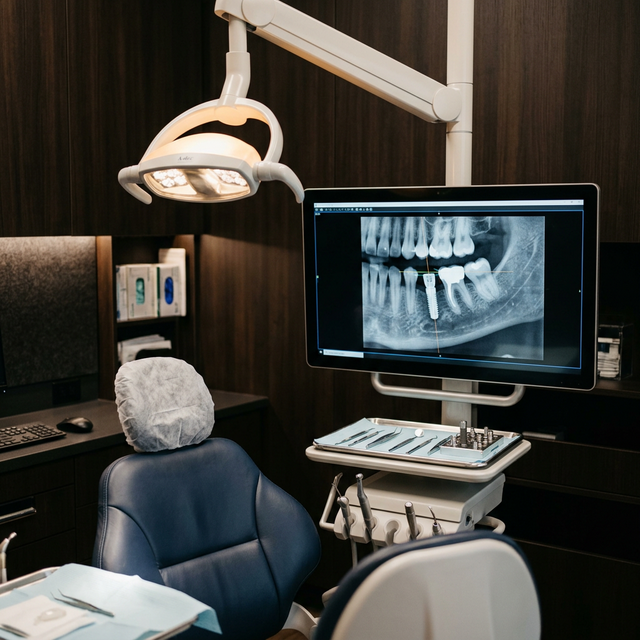
The Challenge: Stagnant Implant Consults
Many dental practices face the same frustrating issue: a significant investment in implant technology and training that isn't translating into a consistent stream of new implant patients. We've seen this firsthand. One of our clients, a multi-location practice in suburban Chicago, was experiencing exactly that. Despite offering competitive pricing and having highly skilled surgeons, their implant consult numbers were flatlining. Their existing marketing efforts were unfocused – a mix of generic social media posts, infrequent email blasts, and reliance on word-of-mouth. A preliminary marketing audit revealed that only 15% of their marketing budget was allocated to strategies that directly targeted potential implant patients. Their cost per acquisition (CPA) for new implant patients was a staggering $800, making growth unsustainable.The Goal: A 40% Increase in 90 Days
Our objective was clear: to increase the number of qualified implant consults by 40% within a 90-day timeframe. This wasn't just about generating more leads; it was about attracting patients who were genuinely interested in implants, financially qualified, and ready to commit to the treatment. We aimed to reduce the CPA to under $500 and establish a predictable, scalable system for generating implant leads.The Strategy: A Multi-Channel Approach
We implemented a comprehensive, multi-channel digital marketing strategy, focusing on hyper-targeting and personalized messaging. This involved:- Hyper-Targeted Facebook & Instagram Ads: We created custom audiences based on demographics (age 45-65, income $75k+), interests (dental health, cosmetic procedures), and behaviors (frequent users of dental products, history of searching for dental implants). We also used lookalike audiences to expand our reach to individuals with similar profiles to our existing patient base.
- Google Ads Campaign Focused on Intent-Based Keywords: We shifted budget away from broad, generic keywords like "dentist near me" and focused on high-intent keywords such as "dental implants cost Chicago," "best dental implants dentist," and "affordable dental implants." We also implemented a negative keyword list to exclude irrelevant searches (e.g., "dental implant jobs").
- Personalized Email Marketing Sequence: We developed a five-part email sequence triggered by form submissions on the practice website. Each email addressed specific patient concerns and objections, provided valuable information about dental implants, and included patient testimonials. The sequence also included a limited-time offer for a free implant consultation.
- Optimized Landing Pages for Conversions: We redesigned the implant-specific landing pages on the practice website to improve conversion rates. We included compelling visuals, clear calls to action, and detailed information about the implant procedure, financing options, and the dentist's expertise. We also A/B tested different headlines, images, and form fields to optimize for maximum conversions.
- Appointment Confirmation & Reminder System: We implemented an automated appointment confirmation and reminder system via SMS and email to reduce no-shows and ensure that patients kept their scheduled consultations.
💡 Expert Tip: Don't underestimate the power of retargeting. Website visitors who don't convert on their first visit are often still interested. Retarget them with personalized ads and offers to bring them back. We saw a 25% increase in conversions by implementing a retargeting campaign on Facebook.
The Implementation: Data-Driven Optimization
Our approach was data-driven from the outset. We used Google Analytics, Facebook Ads Manager, and the practice's patient management software to track key metrics, including:- Website traffic
- Lead generation (form submissions, phone calls)
- Consultation booking rate
- Cost per acquisition (CPA)
- Implant case acceptance rate
Content is Still King
We also created two pieces of "pillar" content and four supporting blog articles to help educate potential patients:- Pillar 1: "The Ultimate Guide to Dental Implants" (Comprehensive overview of the procedure, benefits, costs, and risks)
- Pillar 2: "Choosing the Right Dental Implant Dentist: 10 Critical Questions to Ask" (Focuses on dentist qualifications, technology used, and patient testimonials)
- Blog 1: "How Dental Implants Can Transform Your Smile and Your Life" (Emotional appeal, before-and-after photos)
- Blog 2: "Dental Implants vs. Dentures: Which is Right for You?" (Comparison of the two options, pros and cons)
- Blog 3: "The Cost of Dental Implants: Understanding Your Investment" (Breaks down the costs, financing options)
- Blog 4: "What to Expect During Your Dental Implant Procedure" (Reduces anxiety, explains the process)
The Results: A 40% Surge in Consults
Within 90 days, the practice experienced a 40% increase in the number of implant consults booked. The CPA for new implant patients decreased from $800 to $450. Website traffic increased by 65%, and the conversion rate on the implant landing pages improved by 30%. The estimated increase in implant revenue for the next year is $150,000.💡 Expert Tip: Use a HIPAA-compliant chatbot on your website to qualify leads and answer frequently asked questions 24/7. This can significantly improve your lead generation and appointment booking rates. We recommend using [Specific HIPAA-compliant Chatbot Name].
Counterintuitive Insight: The Power of Personalization
Conventional wisdom suggests that automation and scalability are always the most efficient path. However, our experience shows that personalization is critical, even in digital marketing. The personalized email sequence, the tailored ad creatives, and the proactive follow-up calls made a significant difference in the results. Patients are more likely to respond to marketing messages that feel relevant and address their specific concerns. This required additional effort upfront, but the ROI was well worth it. We A/B tested generic vs. personalized email subject lines and found that personalized subject lines had a 22% higher open rate.The Importance of Choosing the Right Marketing Partner
Many dental practices will tell you they've been burned by marketing agencies that over-promise and under-deliver. It's vital to choose a partner with specific expertise in dental implant marketing and a proven track record of success. Don't be afraid to ask for case studies, testimonials, and references. Look for an agency that is transparent about its strategies and provides regular reporting on key metrics. Here’s a look at some of the differences between hiring a generalist marketing agency versus a dental marketing specialist:| Feature | Generalist Marketing Agency | Dental Implant Marketing Specialist (ChairFull) |
|---|---|---|
| Industry Knowledge | Limited understanding of dental terminology, procedures, and patient concerns. | Deep understanding of dental implants, patient psychology, and regulatory requirements (HIPAA). |
| Targeting Expertise | Broad targeting based on general demographics and interests. | Hyper-targeting based on specific dental needs, financial qualifications, and online behavior related to dental implants. |
| Content Creation | Generic marketing content that may not resonate with potential implant patients. | Specialized content that addresses patient concerns, educates them about implants, and showcases the dentist's expertise. |
| Campaign Optimization | Basic campaign optimization based on vanity metrics (e.g., impressions, clicks). | Data-driven optimization based on key performance indicators (KPIs) such as cost per acquisition, consultation booking rate, and implant case acceptance rate. |
| Reporting & Transparency | Limited reporting on campaign performance. | Comprehensive reporting with clear insights and actionable recommendations. |
| Cost | Potentially lower initial cost, but higher risk of wasted ad spend. | Higher initial cost, but greater potential for ROI due to specialized expertise and targeted strategies. |
💡 Expert Tip: Always get a second opinion on your marketing strategy. Have another expert review your campaigns and identify areas for improvement. A fresh perspective can often uncover hidden opportunities. We offer free marketing audits to dental practices looking to improve their implant marketing results.
FAQ: Increasing Your Dental Implant Consults
- What are the most effective marketing channels for attracting dental implant patients?
- The most effective channels are typically targeted online advertising (Google Ads, Facebook/Instagram Ads) and email marketing. Google Ads allows you to reach patients actively searching for implant solutions, while Facebook/Instagram Ads can target specific demographics and interests. Email marketing is crucial for nurturing leads and providing valuable information about dental implants, leading to a higher consultation booking rate. A well-designed campaign uses a mix of these channels, allocating approximately 60% of the budget to Google Ads, 30% to social media, and 10% to email.
- How can I determine the ideal target audience for dental implant marketing?
- Start by analyzing your existing implant patient base. Identify common demographics (age, income, location), interests (dental health, cosmetic procedures), and behaviors (online searches, social media activity). Use this data to create custom audiences in your advertising platforms. Generally, the ideal target audience falls within the 45-65 age range, with a household income of $75,000 or higher, and expresses interest in dental health and cosmetic enhancements.
- Why is personalized messaging so important in dental implant marketing?
- Personalized messaging resonates better with potential patients because it addresses their specific concerns and needs. Generic marketing messages often fail to capture attention or build trust. Personalized emails, ad creatives, and landing pages demonstrate that you understand the patient's unique situation and can provide a tailored solution. Our data shows that personalized email subject lines increase open rates by 22% and click-through rates by 15%.
- Can I use before-and-after photos in my dental implant marketing campaigns?
- Yes, before-and-after photos are a powerful visual tool for showcasing the transformative results of dental implants. However, ensure that you have obtained proper patient consent and that the photos are high-quality and accurately represent the patient's outcome. It's also important to be transparent about the limitations of the procedure and the potential for individual results to vary. Consider including a disclaimer stating that "Results may vary depending on individual circumstances."
- How often should I follow up with leads who have expressed interest in dental implants?
- Follow-up is crucial for converting leads into consultations. Implement an automated email sequence that delivers valuable information and addresses common patient concerns over a period of several days. Additionally, prioritize personalized follow-up calls within 24 hours of lead submission. Studies show that leads contacted within 24 hours are seven times more likely to qualify. A good system would include 3 emails over 10 days with a follow-up call within 24 hours.
- Should I offer discounts or promotions on dental implant consultations?
- Offering discounts or promotions can be an effective way to attract new patients, but it's important to do so strategically. Avoid devaluing your services by offering excessive discounts or promotions that undermine the perceived value of dental implants. Instead, consider offering a limited-time offer for a free consultation or a discount on the initial implant placement. You could offer a free consultation and 10% off the implant placement if booked within two weeks.
Action Checklist: Boost Your Implant Consults This Week
- Monday: Analyze your current marketing spend. What percentage is allocated to implant-specific campaigns? Aim for at least 50%.
- Tuesday: Review your implant landing pages. Are they optimized for conversions? Ensure clear calls to action, compelling visuals, and detailed information.
- Wednesday: Create a personalized email sequence for new implant leads. Address common concerns and objections, and include patient testimonials.
- Thursday: Identify three high-intent keywords for your Google Ads campaign (e.g., "dental implants cost [your city]").
- Friday: Train your front desk staff to prioritize follow-up calls to new implant leads within 24 hours.
AI phone reception and patient scheduling for dental practices
Premium dental implant systems and equipment
Frequently Asked Questions
What are the most effective marketing channels for attracting dental implant patients?
The most effective channels are typically targeted online advertising (Google Ads, Facebook/Instagram Ads) and email marketing. Google Ads allows you to reach patients actively searching for implant solutions, while Facebook/Instagram Ads can target specific demographics and interests. Email marketing is crucial for nurturing leads and providing valuable information about dental implants, leading to a higher consultation booking rate. A well-designed campaign uses a mix of these channels, allocating approximately 60% of the budget to Google Ads, 30% to social media, and 10% to email.
How can I determine the ideal target audience for dental implant marketing?
Start by analyzing your existing implant patient base. Identify common demographics (age, income, location), interests (dental health, cosmetic procedures), and behaviors (online searches, social media activity). Use this data to create custom audiences in your advertising platforms. Generally, the ideal target audience falls within the 45-65 age range, with a household income of $75,000 or higher, and expresses interest in dental health and cosmetic enhancements.
Why is personalized messaging so important in dental implant marketing?
Personalized messaging resonates better with potential patients because it addresses their specific concerns and needs. Generic marketing messages often fail to capture attention or build trust. Personalized emails, ad creatives, and landing pages demonstrate that you understand the patient's unique situation and can provide a tailored solution. Our data shows that personalized email subject lines increase open rates by 22% and click-through rates by 15%.
Can I use before-and-after photos in my dental implant marketing campaigns?
Yes, before-and-after photos are a powerful visual tool for showcasing the transformative results of dental implants. However, ensure that you have obtained proper patient consent and that the photos are high-quality and accurately represent the patient's outcome. It's also important to be transparent about the limitations of the procedure and the potential for individual results to vary. Consider including a disclaimer stating that "Results may vary depending on individual circumstances."
How often should I follow up with leads who have expressed interest in dental implants?
Follow-up is crucial for converting leads into consultations. Implement an automated email sequence that delivers valuable information and addresses common patient concerns over a period of several days. Additionally, prioritize personalized follow-up calls within 24 hours of lead submission. Studies show that leads contacted within 24 hours are seven times more likely to qualify. A good system would include 3 emails over 10 days with a follow-up call within 24 hours.
Should I offer discounts or promotions on dental implant consultations?
Offering discounts or promotions can be an effective way to attract new patients, but it's important to do so strategically. Avoid devaluing your services by offering excessive discounts or promotions that undermine the perceived value of dental implants. Instead, consider offering a limited-time offer for a free consultation or a discount on the initial implant placement. You could offer a free consultation and 10% off the implant placement if booked within two weeks.
Found this helpful? Share it with your network.
📋 Disclosure: ChairFull may earn a referral fee when you sign up through our partner links. Our editorial content is independently produced.